A dance party is a popular event in European school, often organized as part of social or cultural programs to provide students with an enjoyable and interactive experience. These events bring students together in a fun, lively environment where they can dance, bond, and develop important social skills. Dance parties may celebrate special occasions, such as the end of a school term, cultural festivals, or other milestone event.
Description of a Dance Party in Schools
Preparation and Organization:
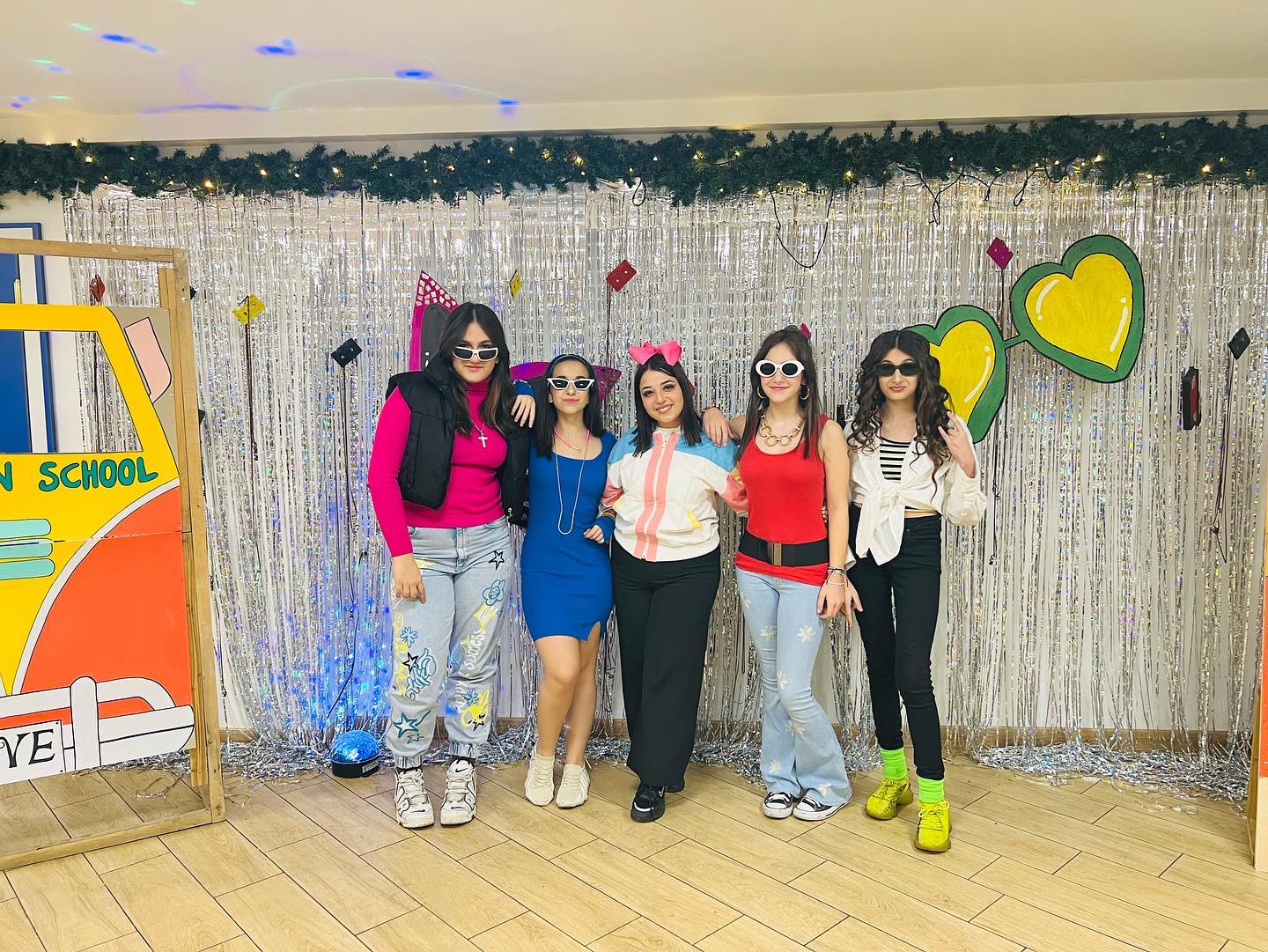
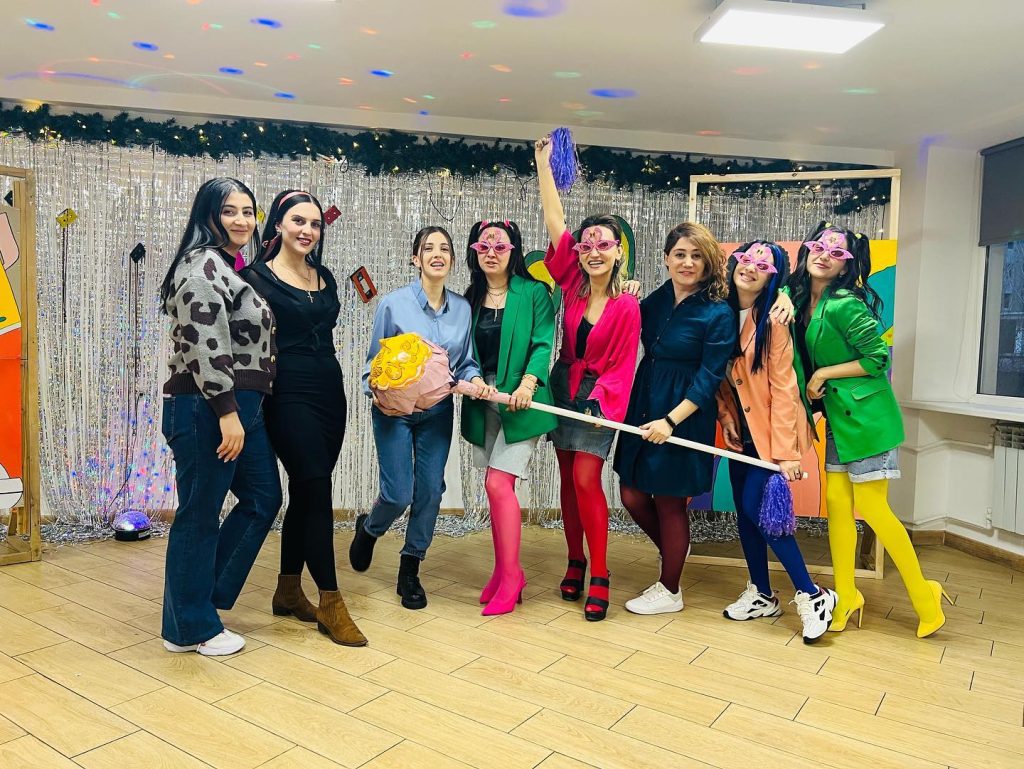
Theme Selection: Dance Party in European School has specific themes, such as retro, masquerade, cultural traditions, or a color-based dress code.
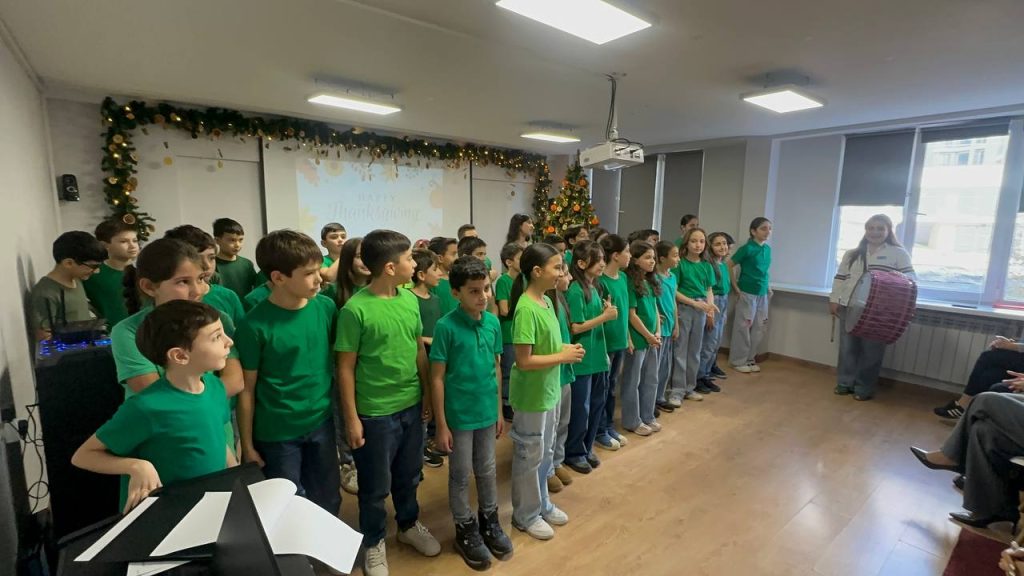
Venue and Decoration: School halls are transformed into vibrant party spaces with lights, decorations, and music systems.
Music and Entertainment: A playlist of popular songs, including both local and international hits, is curated. In some cases, live performances or DJs are invited.
Refreshments: Light snacks and beverages are often provided to keep the energy high.
Activities:
Group Dances: Teachers or dance instructors may lead choreographed group dances to engage everyone.
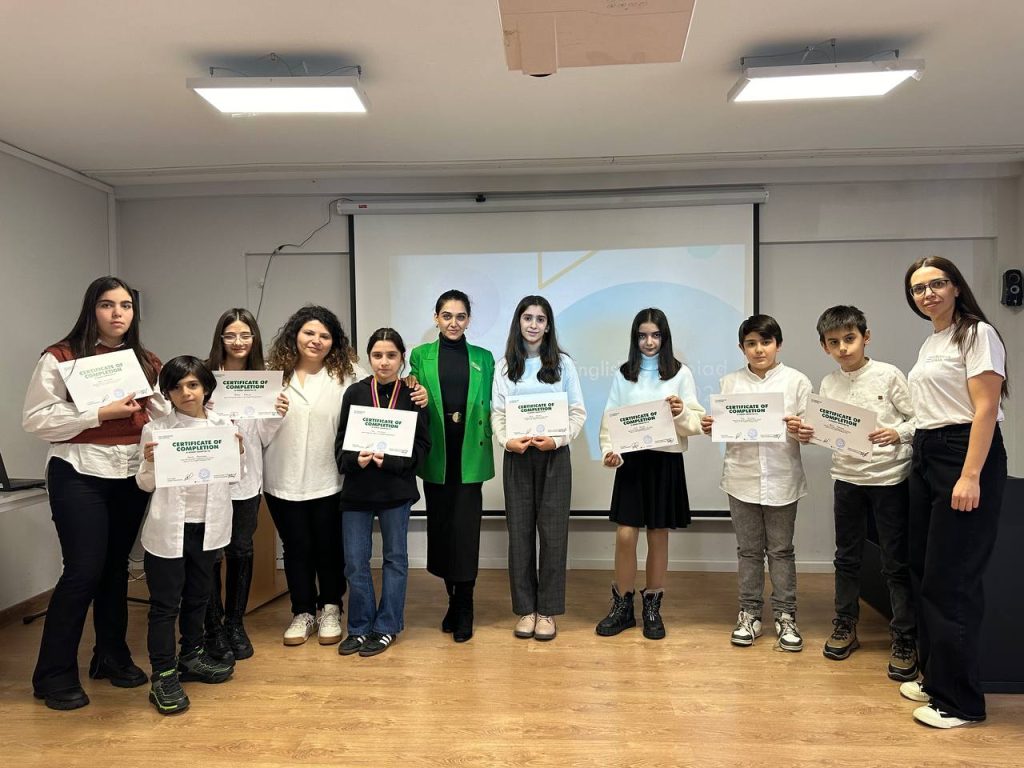
Dance Competitions: Friendly competitions are organized with awards for categories such as “Best Dancer,” “Most Creative Moves,” or “Best Team Dance.”
Interactive Games: Games like “Dance Freeze” or “Musical Chairs” are incorporated to add variety.
Cultural Performances: In multicultural settings, students may showcase traditional dances from their cultural backgrounds, promoting inclusivity and diversity.
Participation: Dance parties are designed to be inclusive, ensuring all students, regardless of their dance skills, feel welcome to participate. Teachers and even parents sometimes join in, creating a warm and relaxed atmosphere.
Benefits of a Dance Party
Encourages Physical Activity: Dancing is a great way to promote physical fitness while having fun. It helps students stay active and release energy in a positive way.
Builds Confidence: Dancing in a group or performing boosts self-esteem and helps students feel more comfortable expressing themselves in social settings.
Improves Social Skills: Dance parties foster collaboration, teamwork, and communication as students engage with peers in a shared experience.
Celebrates Cultural Diversity: When cultural dances are included, students learn to appreciate and respect different traditions, strengthening cultural awareness and inclusivity.
Strengthens Community Bonding: By bringing students, teachers, and sometimes parents together in a casual setting, dance parties build a sense of belonging and school spirit.
Relieves Stress: Dancing and socializing in a fun atmosphere provide students with a much-needed break from academic pressure and help improve their overall well-being.
Encourages Creativity: Dance parties inspire students to express themselves creatively through their movements, costumes, or participation in themed activities.
Creates Happy Memories: These events leave lasting impressions, becoming cherished memories of students’ school years.